

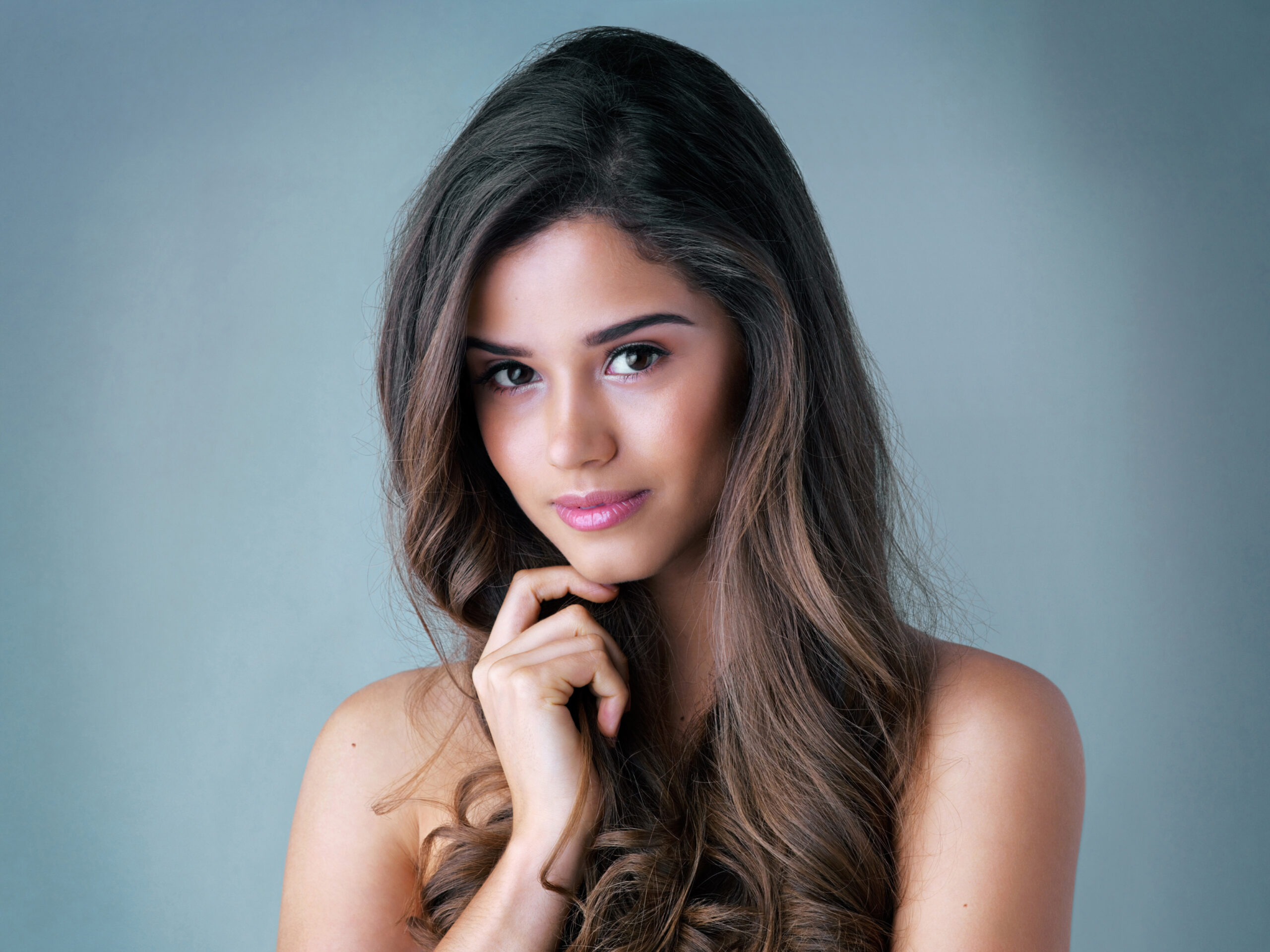
Choosing the best hair colour for your skin tone can be a game-changer in enhancing your overall appearance. Whether you are looking to make a bold statement or achieve a natural look, selecting the right shade that complements your complexion is crucial. With professional hair colouring services available at salons like Hair Masters, achieving the perfect look has never been easier. In this comprehensive guide, we will explore how to determine your skin tone, the best hair colours for each tone, and essential tips for maintaining your new shade.
Understanding Your Skin Tone and Undertones
Before choosing a hair colour, it is essential to understand the difference between skin tone and undertones. Your skin tone is the surface color of your skin, which can range from fair to deep. However, the undertone is what determines how certain hair colours will look against your complexion.
How to Identify Your Undertone
There are three primary undertones:
- Warm Undertones: Characterized by golden, yellow, or peach hues.
- Cool Undertones: Defined by pink, red, or blue hues.
- Neutral Undertones: A balance between warm and cool tones.
To determine your undertone, try the following methods:
- Vein Test: Look at the veins on your wrist. Green veins suggest warm undertones, while blue or purple veins indicate cool undertones. If you see both, you likely have a neutral undertone.
- Jewellery Test: Gold jewellery complements warm undertones, while silver jewellery suits cool undertones.
- Sun Exposure Test: If you tan easily, you likely have warm undertones, whereas burning before tanning suggests cool undertones.
Best Hair Colour for Different Skin Tones
Hair Colours for Warm Skin Tones
If you have a warm skin tone, hair colours that enhance your natural warmth work best. The ideal shades include:
- Golden Blonde: A rich, sun-kissed hue that complements golden skin.
- Caramel Brown: A warm brown that adds depth and dimension.
- Copper Red: A fiery shade that enhances the natural warmth in your complexion.
Hair Colours for Cool Skin Tones
For those with cool undertones, opting for shades that neutralize any redness and add contrast is ideal. The best colours include:
- Ash Blonde: A muted blonde that balances cool tones.
- Platinum Blonde: A bold, icy shade that creates a striking contrast.
- Jet Black: A deep, dramatic color that enhances cool undertones.
Hair Colours for Neutral Skin Tones
Neutral undertones provide versatility, allowing for both warm and cool shades. Some great options include:
- Beige Blonde: A balanced shade that works well with neutral undertones.
- Chocolate Brown: A rich, medium brown that complements various skin tones.
- Auburn: A mix of red and brown that adds warmth without overwhelming.
Professional Hair Colouring Techniques
Balayage
Balayage is a freehand painting technique that creates a natural, sun-kissed look. This technique is perfect for those looking for a low-maintenance style that grows out gracefully.
Ombre
Ombre features a gradual transition from darker roots to lighter ends. It is an excellent option for those who want to add dimension to their hair while maintaining a natural root color.
Highlights and Lowlights
Highlights add brightness to your hair, while lowlights provide depth. When done professionally, these techniques can enhance your natural hair colour for a multi-dimensional look.
Maintaining Your Hair Colour
Once you achieve your desired hair colour, it is crucial to maintain it to keep it looking vibrant and healthy. Here are some tips:
- Use Color-Safe Shampoos: Invest in sulphate-free shampoos and conditioners to prolong the life of your hair colour.
- Avoid Heat Damage: Excessive heat styling can cause colour to fade faster, so use heat protectants.
- Schedule Regular Touch-Ups: Visit a professional salon like Hair Masters for regular touch-ups and treatments.
FAQs
1. How often should I get my hair coloured?
It depends on the hair colouring technique used. Permanent colour may need touch-ups every 6-8 weeks, while balayage can last longer with minimal maintenance.
2. Can I colour my hair at home?
While at-home kits are available, professional hair colouring ensures better results, minimizes damage, and provides expert advice on the best shade for your skin tone.
3. What is the best way to prevent hair colour from fading?
Use a sulfate-free shampoo, limit heat styling, and avoid excessive sun exposure to maintain vibrancy.
4. Does hair colour damage my hair?
When done professionally and with the right aftercare, hair colouring does not cause significant damage. Deep conditioning treatments help maintain hair health.
5. How do I correct a hair colour mistake?
If your hair colour turns out different than expected, seek professional help to fix it safely without further damage.
Conclusion
Choosing the best hair colour for your skin tone is essential for achieving a flattering and radiant look. By understanding your skin’s undertone and selecting complementary shades, you can enhance your natural beauty effortlessly. Professional hair colouring services at Hair Masters ensure expert application and long-lasting results. Whether you prefer a subtle change or a dramatic transformation, the right hair colour can elevate your confidence and style.